The relationship between artificial intelligence, sporting performance and ethical responsibility was at the heart of the training course for sports journalists, “Elite sport in the age of AI: ethics and performance”, organised by GLGS-USSI on Friday, October 9, at the Mapei Sport Centre in Olgiate Olona, Italy.
The initiative formed part of the celebrations marking the 80th anniversary of GLGS-USSI and the 30th anniversary of the Mapei Sport Research Centre, founded in 1996 by Dr Giorgio Squinzi and Professor Aldo Sassi.
A centre of excellence in sports research. The centre holds a significant position in the international sporting landscape. Established through the Mapei Group’s commitment to investing in scientific research applied to sport, it has continued to develop even after the end of the Mapei professional cycling team. The Group, a leading company in construction chemicals, also sponsors Serie A club Sassuolo, while the centre provides expertise and services in physiology, biomechanics, sports medicine and athletic training, working with professional athletes, teams and federations across various disciplines.
An important event for sports journalism. As sport becomes increasingly influenced by data analysis, predictive algorithms and emerging technologies, understanding the potential and limitations of artificial intelligence is also essential for those reporting on athletic performance. The course, worth two continuing professional development credits, addressed issues directly affecting sports journalism, from the reliability of scientific data and the protection of privacy to the responsibility of verifying information generated by AI.
The event was moderated by Pier Augusto Stagi, a journalist and President of the Lombardy Sports Journalists’ Association (GLGS-USSI Lombardia), who coordinated the contributions of the participating experts.
Claudio Pecci: ethics at the heart of research. The CEO and Medical Director of Mapei Sport opened the proceedings by distinguishing between ethics and professional codes of conduct, while recalling the values of Olympism. He highlighted the opportunities offered by AI in training and injury prevention, stressing the need to protect athletes’ health, individuality and privacy, while keeping human judgement central to decision-making.
Luca Mondazzi: AI in sports nutrition. The specialist in dietetics and sports nutrition examined the use of software to develop personalised nutrition plans and its implications for professional consultancy. He also urged journalists not to overstate supposed nutritional innovations that lack sufficient scientific evidence.
Guido Camera: law, privacy and journalism. The criminal lawyer explored the legal implications of AI, from personal data protection to the risks of misinformation. He emphasised the value of journalism as a form of intellectual mediation, based on the ability to select, verify and interpret information.
Franco Combi: medical confidentiality and pressure to return. The specialist in physical and rehabilitation medicine discussed the pressure that clubs and players’ entourages can place on medical staff to accelerate an athlete’s return from injury. Drawing on anecdotes from Inter’s past involving Ronaldo and Roberto Mancini, he also urged journalists to respect the confidentiality of athletes’ medical information.
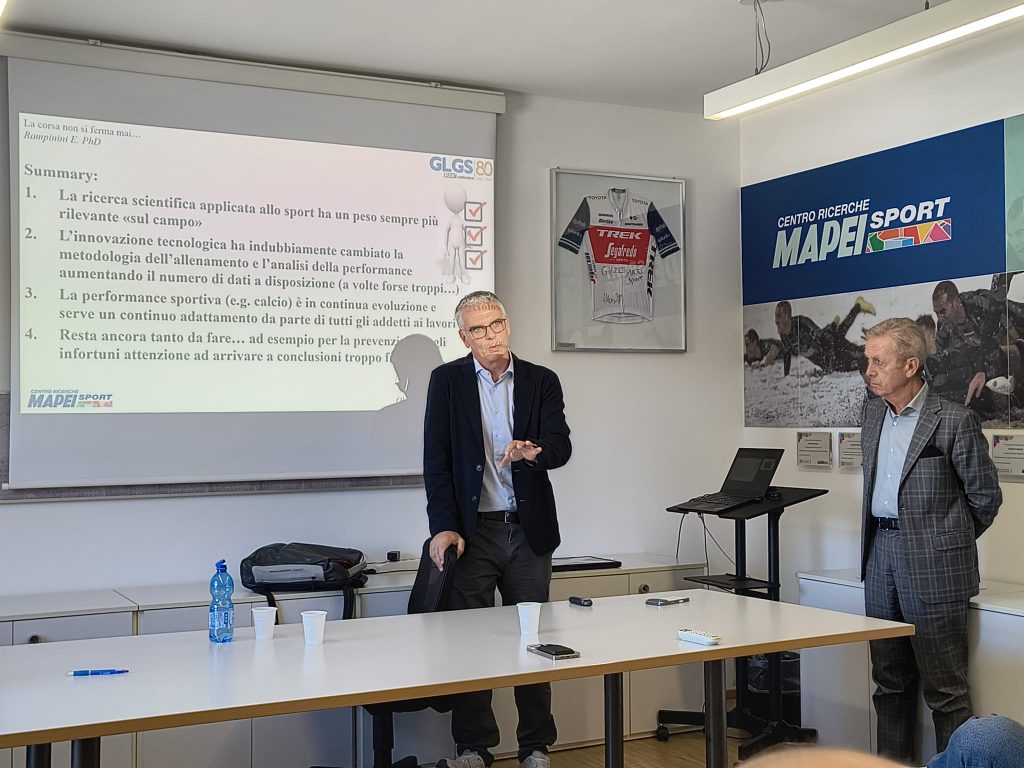
Ermanno Rampinini: data and performance. The Operations Director and Head of the Human Performance Lab outlined the evolution of sports research and the growing availability of data and technological tools, focusing on the limitations of predictive models, particularly when assessing injury risk.
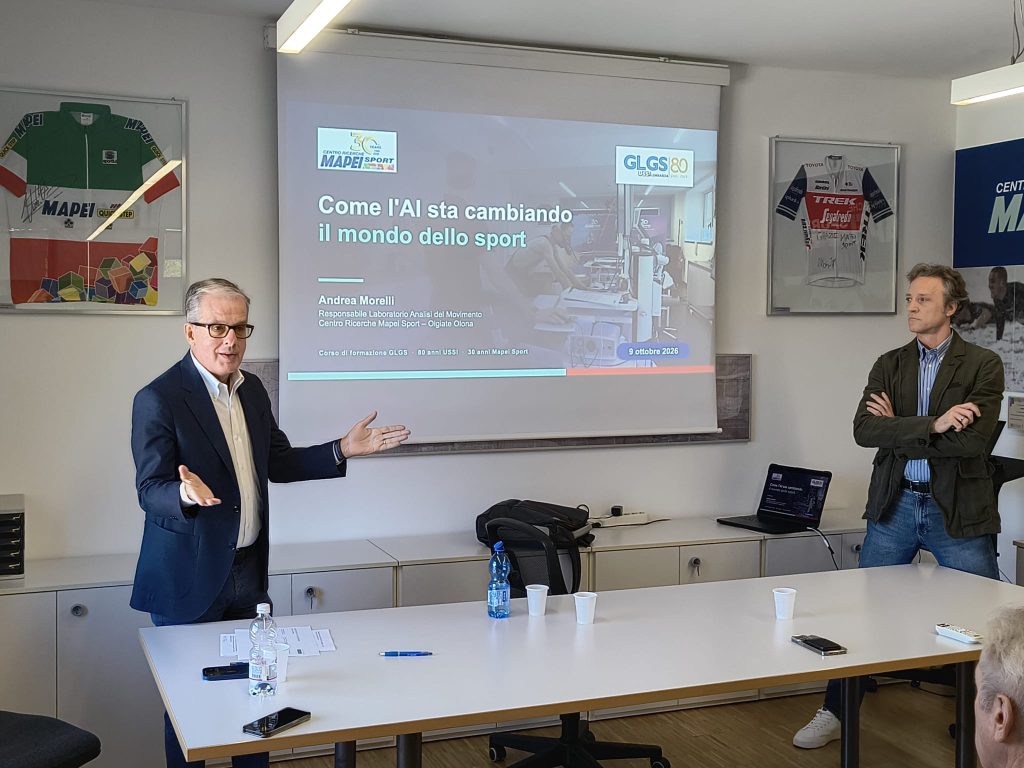
Andrea Morelli: biomechanics and the risks of AI. The Head of the Movement Analysis Laboratory demonstrated how AI enables increasingly rapid and accessible biomechanical analysis, although not without limitations. Addressing the journalists directly, he highlighted the risk of “hallucinations” in generative AI systems, which can produce inaccurate data and quotations, stressing the importance of verifying sources.
Technology and human responsibility. The discussions highlighted a principle shared by scientific research and sports journalism: technological innovation offers valuable opportunities, but must be accompanied by expertise, critical thinking and professional responsibility, without compromising source verification, the protection of individuals or the central role of human judgement.
The day concluded with a guided tour of the Mapei Sport Research Centre led by Ermanno Rampinini and Andrea Morelli, giving participants a first-hand look at the facilities where scientific research and athletic performance analysis are carried out, and bringing the topics discussed throughout the morning into a practical context.
read more on www.aipsmedia.com